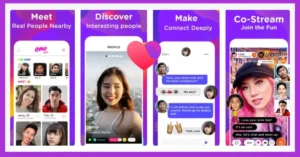
The Asian dating app landscape has rapidly evolved, creating a dynamic and inclusive space where millions of Asian singles can meet, interact, and form meaningful connections.
These platforms bridge cultural gaps, offering tailored matchmaking experiences that celebrate shared values, traditions, and lifestyles unique to Asian communities worldwide.
Whether users are seeking friendship, casual dating, or long-term relationships, Asian dating apps provide a safe, modern, and convenient way to connect people from different countries and backgrounds who share a common heritage and outlook on love.
Asian Dating App Connects Together Millions of Asian Singles – Guide
In the past decade, Asian dating apps have grown from niche communities into major platforms that connect millions of people across countries, cultures, and generations.
These apps blend culturally-aware design, local language support, and modern matchmaking technology to provide an experience that feels relevant to users whose backgrounds, family expectations, and dating norms often differ from mainstream Western apps.
Below is an in-depth look at how these apps work, what makes them successful, the social and technical issues they navigate, and practical guidance for users who want to make the most of them.
Why These Apps Matter
Asian dating apps answer an important need: helping people with shared cultural touchpoints find compatible partners more efficiently.
For many Asians whether living in their home country or in the diaspora cultural expectations around family, religion, and courtship affect how they search for partners.
Apps that understand those nuances (language, religious observances, family roles, arranged-dating preferences, filial duties, etc.) reduce friction and improve match relevance. They also create safe spaces for minority Asian identities (e.g., LGBTQ+ Asians) to find community.
Core Features That Drive Growth
-
Localization and language support
Offering the app in multiple Asian languages (Mandarin, Cantonese, Hindi, Korean, Japanese, Vietnamese, Thai, Bahasa, etc.) plus local idioms and date/time formats makes onboarding and daily use natural for large user groups. -
Culturally-aware matching filters
Filters for religion, caste/ethnic background, family preferences (e.g., interest in marriage vs. casual dating), and willingness to relocate are common. Some apps offer nuanced options like ancestral hometown, language fluency, or attitudes toward traditional ceremonies. -
Profile verification and safety tools
Verified photos, ID checks, and AI moderation reduce catfishing and scams. Safety features include block/report buttons, in-app calling without sharing phone numbers, and location-approximation (so precise location isn’t revealed). -
Community and content features
Icebreaker prompts, conversation starters tied to culture (favorite festival, regional food), themed chat rooms, local events, and virtual speed-dating sessions increase engagement and lower the awkwardness of initial conversations. -
Smart technology
Machine learning and behavioral signals (which profiles users swipe, message patterns, reply times) refine recommendations. Some apps use personality questionnaires or compatibility algorithms beyond simple demographics. -
Monetization and premium options
Freemium models are common: basic matching is free while features like unlimited likes, read receipts, profile boosts, and advanced search require subscriptions. Microtransactions for digital gifts or virtual event tickets are also used.
Social impact and challenges
-
Bridging diaspora and homeland: These apps help connect second- or third-generation immigrants with people in their ancestral countries, fostering cross-border relationships and cultural exchange.
-
Stereotyping and fetishization: Unfortunately, apps can also concentrate unhealthy tropes (orientalization, racial fetishizing). Good platforms actively moderate profiles and educate users to reduce this.
-
Privacy and data sensitivity: Cultural stigma around dating means users expect discreet handling of their data. Apps must comply with strict privacy regulations (GDPR-like regimes, local laws) and be transparent about data use.
-
Scams and financial fraud: Romance scams are a global issue; platforms must invest in fraud detection, user verification, and clear reporting/counseling procedures.
-
Accessibility and equity: Ensuring apps are accessible across lower-end devices, slow networks, and different literacy levels is important for reaching broader populations.
Best Practices For Users – Getting Better Matches
-
Be specific in your profile: Mention language(s) you speak, whether you celebrate particular festivals, and what “dating” means to you (marriage-focused, casual, exploring).
-
Use culturally meaningful photos: A mix of candid daily-life photos and a clear face shot helps consider including photos that show hobbies or family-friendly context if you’re marriage-oriented.
-
Try localized prompts: Answer prompts that allow someone to see cultural alignment favorite festival memory, regional dish, or hometown.
-
Stay safe: Verify profiles through the app’s verification tools, avoid sharing personal contact info early, and use in-app calling for initial voice/video chats.
-
Be patient and proactive: Engage with community features (events, interest groups) instead of waiting for matches. Cultural communities often favor introductions through shared spaces.
For App Makers – What Scales
-
Authentic localization: More than translation regional moderators, culturally-relevant UX flows, and localized marketing perform better.
-
Robust moderation: Regularly update fraud detection models and human-review flows to catch coordinated scams and abusive behavior.
-
Partnerships: Collaborate with local influencers, cultural organizations, and mental health resources to build trust and provide user support.
-
Inclusive product design: Support diverse relationship models (LGBTQ+ options, non-traditional family structures) to reach underserved populations while respecting local norms.
The Future: Trends To Watch
-
Hybrid experiences: Blending in-person events with virtual meetups and AI-curated introductions will continue.
-
Greater privacy controls: Features like ephemeral profiles, blurred photos until a user opts in, and anonymized messaging will become more common.
-
Niche verticalization: Expect apps that cater to hyper-specific communities (e.g., by dialect, university alumni, professional networks) to grow alongside broad platforms.
-
AI-enhanced compatibility: AI will increasingly suggest conversation starters, help craft better bios, and flag compatibility risks early.
-
Cross-border matchmaking: Tools that help with logistics (visa-friendly introductions, language translation within chat, cultural coaching) will support more international relationships.
Asian dating apps have become powerful connectors not just for romance, but for cultural exchange and community-building.
When thoughtfully designed and responsibly moderated, they help millions of Asian singles navigate complex cultural expectations while exploring modern relationships.
Whether you are an app user or a maker, the key is cultural sensitivity, strong safety practices, and features that encourage real conversation rather than performative interaction.